The Hidden Threat Behind a Simple QR Code Scam
QR codes have become a part of everyday life. From restaurant menus and parking payments to event registration and online banking, these square-shaped codes offer convenience and speed. However, cybercriminals have discovered that the same convenience that makes QR codes useful also makes them an attractive tool for fraud. A growing form of cybercrime known as “quishing” (QR code phishing) is exploiting people’s trust in QR codes to steal personal information, financial details, and even corporate credentials.
What Are QR Code Scams?
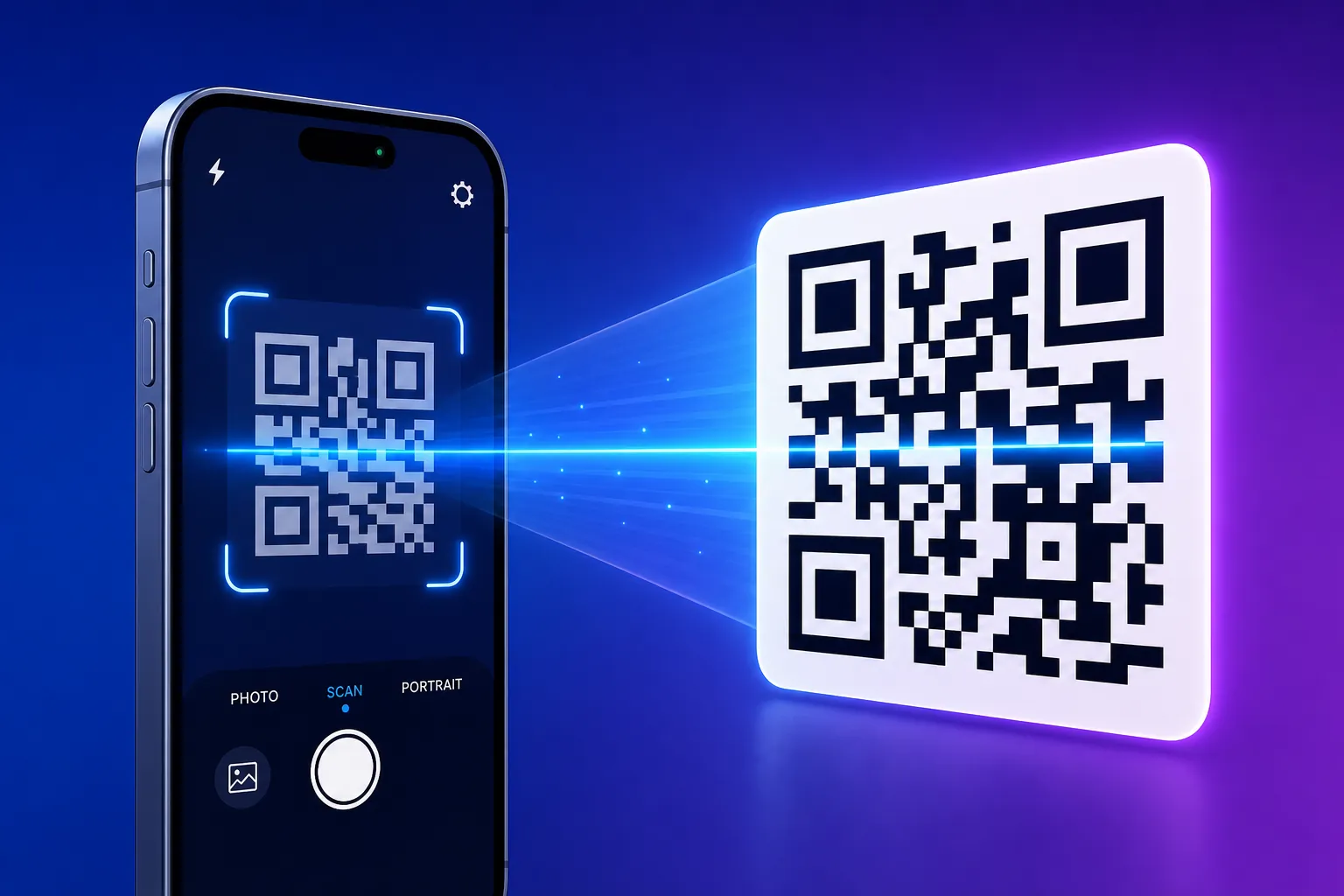
A QR code scam occurs when cybercriminals create or manipulate a QR code to direct victims to malicious websites, download malware, or initiate fraudulent transactions. Unlike traditional phishing links, which users can often inspect before clicking, QR codes hide the destination URL until after the scan, making it easier for attackers to deceive their targets.
Scammers typically place fake QR codes over legitimate ones, send QR codes through emails and text messages, or include them in social media advertisements. Once scanned, victims may be redirected to websites that closely resemble trusted brands such as banks, payment platforms, or government services.
How QR Code Scams Work
A typical QR code scam follows a simple process:
- Creation of a malicious QR code: Attackers generate a QR code linked to a fake website or malicious application.
- Distribution: The QR code is shared via email, SMS, posters, flyers, parking meters, or public noticeboards.
- User Interaction: The victim scans the code using a smartphone.
- Credential theft or malware Installation: The victim is prompted to enter login credentials, payment information, or download malicious software.
- Exploitation: The attacker uses the stolen information for financial fraud, identity theft, or unauthorized access to corporate systems.
Common Types of QR Code Scams
1. Fake Payment Requests
Scammers replace legitimate payment QR codes in restaurants, parking stations, or retail stores with fraudulent ones. Customers unknowingly send payments directly to the scammer’s account.
2. Banking and Financial Fraud
Victims receive emails claiming to be from a bank, requesting account verification. The included QR code directs them to a fake banking portal where login credentials are stolen.
3. Package Delivery Scams
Fraudsters impersonate shipping providers and send QR codes claiming to provide package tracking or delivery updates. Scanning the code may lead to credential theft or malware downloads.
4. Public Wi-Fi Scams
Fake QR codes promise free Wi-Fi access in airports, hotels, and cafes. Users are redirected to bogus login pages that capture personal details and passwords.
5. Cryptocurrency Scams
Cybercriminals use QR codes to redirect cryptocurrency transactions to their own wallets, often disguising them as donation or investment opportunities.
Why Are QR Code Scams Effective
Several factors contribute to the success of QR code scams:
- Trust in technology: Most people view QR codes as harmless shortcuts and rarely question their legitimacy.
- Hidden destinations: Unlike hyperlinks, QR codes conceal the destination URL until after scanning.
- Mobile device usage: Users often access QR code links on mobile devices, where security controls and URL visibility may be limited.
- Increased adoption: The widespread use of QR codes in contactless services has made scanning a routine activity, reducing user vigilance.
How to Protect Your Business from QR Code Scams
Protecting yourself against Quishing comes down to a few habits:
- Be suspicious of QR codes in emails: A code that arrives by email, especially one that asks you to log in or pay, deserves the same caution as a strange link. The NCSC’s (National Cyber Security Centre) advice is to be wary of scanning QR codes inside emails, even though codes in places like restaurants are usually fine.
- Check the web address before you act: When you scan a code, your phone shows the link before it opens. Read it. If the address is not the official site you expected, close it.
- Go direct instead of scanning: If an email says your Microsoft account needs attention, open your browser and type the address yourself, or use a bookmark. Don’t rely on the code to take you to the right place.
- Watch for urgency: Messages that threaten account closure or a fine “within 24 hours” are trying to rush you past your own judgment. That pressure is itself a warning sign.
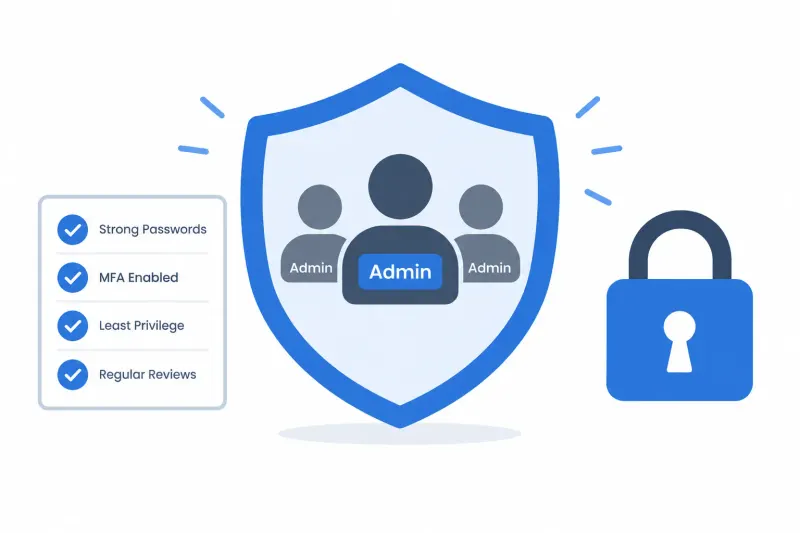
- Use phishing-resistant MFA: If a scam does capture a password, phishing-resistant multi-factor authentication (a passkey, a hardware key, or number-matching in an authenticator app) makes that password much harder to use. Check physical codes for tampering: Before scanning a code on a parking meter or payment terminal, look for a sticker placed over the original.
- Tell your team: Most people have never been warned about QR code scams. Send your staff a short message with a real example so they know what to watch for.
Best Practices for Organizations
Organizations can reduce QR code-related risks by:
- Providing cybersecurity awareness training on QR code scams.
- Using dynamic QR codes that can be monitored and managed securely.
- Verifying physical QR code deployments regularly.
- Implementing email security solutions to block phishing campaigns.
- Enforcing Multi-Factor Authentication (MFA) across critical systems.
- Educating customers on how official QR codes are used.
The Future of QR Code Security
As QR code usage continues to grow across industries, cybercriminals will likely develop more sophisticated attacks. Advances in mobile security, browser protections, and user awareness programs will play a critical role in reducing the effectiveness of QR code scams. However, technology alone is not enough. Users must remain vigilant and think before they scan.
Conclusion
QR codes offer speed, convenience, and a seamless user experience, but they also introduce new cybersecurity risks. QR code scams exploit trust and curiosity, making them highly effective tools for cybercriminals. By understanding how these scams operate and adopting basic security practices, individuals and organizations can safely enjoy the benefits of QR code technology while minimizing their exposure to fraud.
Remember: Scan with caution. A simple QR code can either lead to convenience or become the gateway to a cybersecurity incident.